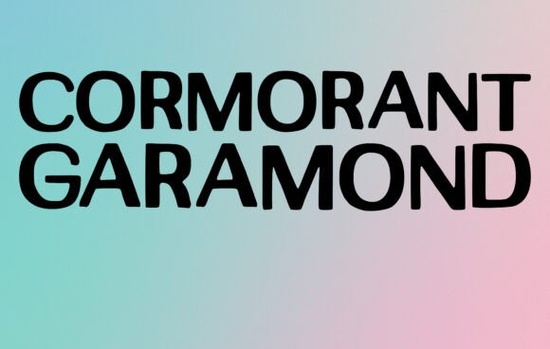
If you are looking for a font that balances classic elegance with everyday readability, the Cormorant Garamond Font is worth a closer look. This typeface draws on the proportions of traditional Garamond designs but adds a contemporary sharpness that works well both on screen and in print. It is one of those rare fonts that feels familiar yet fresh, making it a practical choice for designers who need something versatile without being boring.
What makes Cormorant Garamond different from other serif fonts?
Many serif fonts can feel either too formal or too casual. Cormorant Garamond finds a middle ground. It has the tall, elegant letterforms you expect from a classic serif, but the strokes are crisp and the contrast between thick and thin lines is noticeable without being dramatic. This means it remains legible at small sizes for body text while still having enough personality to stand out in headlines.
If you compare it to something like a bold college black font, which is purposely heavy and attention-grabbing, Cormorant Garamond takes a quieter approach. It does not shout, but it commands attention through proportion and spacing. For projects where you want the text itself to carry the tone without relying on decorative effects, this font delivers consistent results.
Which projects actually benefit from using this font?
The real strength of Cormorant Garamond is how many different types of projects it fits into without looking out of place. Here are some common uses where it shines:
- Magazine headlines and editorial layouts – the tall letterforms create a strong vertical rhythm that guides the eye down the page.
- Wedding invitations and formal cards – it carries a sense of occasion without being overly decorative or flowery.
- T-shirt typography and apparel – when used in larger sizes, the clean lines hold up well on fabric.
- Branding and logo design – the font has enough character to act as a standalone wordmark for lifestyle brands, boutiques, or creative studios.
- Social media graphics – it remains readable on mobile screens, which is often a challenge for delicate serifs.
That said, every project has its own tone. If you are working on something with a playful, casual feel, you might prefer a retro script font display font instead. The key is matching the voice of the typeface to the message you are communicating.
How does body text performance compare to other display options?
One thing that sets Cormorant Garamond apart is that it works as both a display font and a body text font. Most fonts designed for headlines look awkward when scaled down to paragraph sizes. This one does not. The x-height is generous, and the letter spacing is open enough that reading long passages feels comfortable.
Compare that to something like a sports varsity font display font, which is intentionally bold and blocky. That style works great for posters and jerseys, but you would never use it for a paragraph of text. Cormorant Garamond gives you the flexibility to use one font across an entire design system, which simplifies your workflow and keeps the visual identity consistent.
Is it suitable for seasonal or holiday-themed designs?
Absolutely. Because the font is not tied to a specific era or trend, it adapts well to seasonal projects. For example, if you are designing Christmas cards or holiday branding, the classic feel of Cormorant Garamond pairs naturally with festive colors and imagery. It gives the design a timeless quality that does not rely on novelty.
Of course, if you want something more explicitly festive, a welcome christmas font display font might be a better fit for that particular project. But for a more subtle, elegant holiday look, Cormorant Garamond is a strong contender. It also works well for greeting cards throughout the year, not just during the holidays.
What about pairing it with other font styles?
Pairing is where this font really shows its flexibility. Because it has a neutral but refined personality, it plays well with many different styles. You can pair it with a simple sans-serif for a modern contrast, or with a handwritten script for a more personal feel.
For example, if you are creating a brand identity that needs both structure and warmth, you might use Cormorant Garamond for headings and pair it with a sunspell font display font for accent words or pull quotes. The contrast between the two styles adds visual interest without clashing. The key is to let each font do what it does best instead of forcing them to compete.
Practical checklist before you use this font in a project
Before you download and start using Cormorant Garamond, here is a quick checklist to make sure it fits your specific needs:
- ☐ Test readability at your target size – open a preview and scale the font to the exact size you plan to use. Check both headlines and body text.
- ☐ Check the license for commercial use – if you are designing for clients or selling products, make sure the license covers commercial applications.
- ☐ Pair it with a backup font – have a secondary font ready in case the client or project requires a different style later.
- ☐ Look at the character set – verify that the font includes the glyphs you need, especially if you are working with multiple languages or special symbols.
- ☐ Print a test sample – if the project involves print, always test the font on paper to see how it behaves with your specific printer or paper stock.
Once you confirm those points, you can move forward with confidence. Cormorant Garamond is a font that rewards careful use, and taking the time to test it properly will save you from revisions later. Start with a single project, see how it feels, and you will quickly understand why this typeface has become a go-to for so many designers who need something dependable but never dull.
Learn More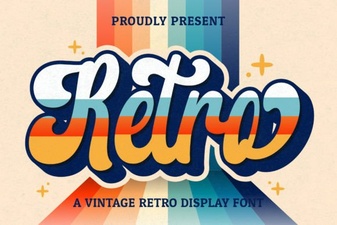 Retro Script Fonts for Modern & Creative Design Projects
 Retro Fonts for Creative Kids Projects
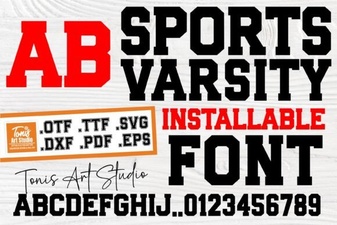 Sports Varsity Font Styles & Free Downloads
 Mastering Typography with Designer Fonts
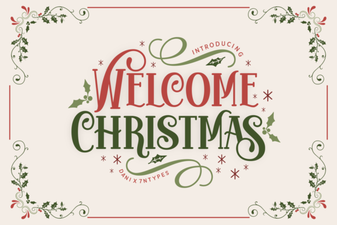 Festive Christmas Fonts for Holiday Projects
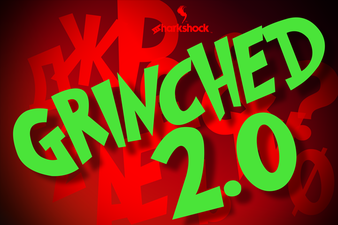 Grinched 2.0 Font: Creative Projects & Holiday Designs